Why become an INVESTOR now?
That's why:
Only €180,000 in capital required;
equity participation to be agreed upon
Prototype in 3-6 months
a virtually unlimited market for retrofitting and an unlimited market for integrating the technology directly into the product pipeline.
The aim is to sell licenses to manufacturers and retrofitters
****************************
Cost example:
With an annual consumption of 130,000 kWh and an assumed rate of €0.20/kWh (low-cost commercial electricity/own storage), the annual charging costs amount to €26,000. With higher rates (e.g., €0.40/kWh at public stations), these costs double accordingly.
The DC OnBoard charging system is more cost-effective than the annual charging costs.
****************************
New registrations in 2026: In March 2026, it was reported that 24,000 new electric trucks and buses had been registered in Europe.
xE-Trailer-solution, interesting, but at € 140-220'000€ x
By early 2026, there were over 78,000 all-electric delivery vans and approximately 21,000 small electric trucks (3.5 to 12 tons) on the roads in Germany alone.
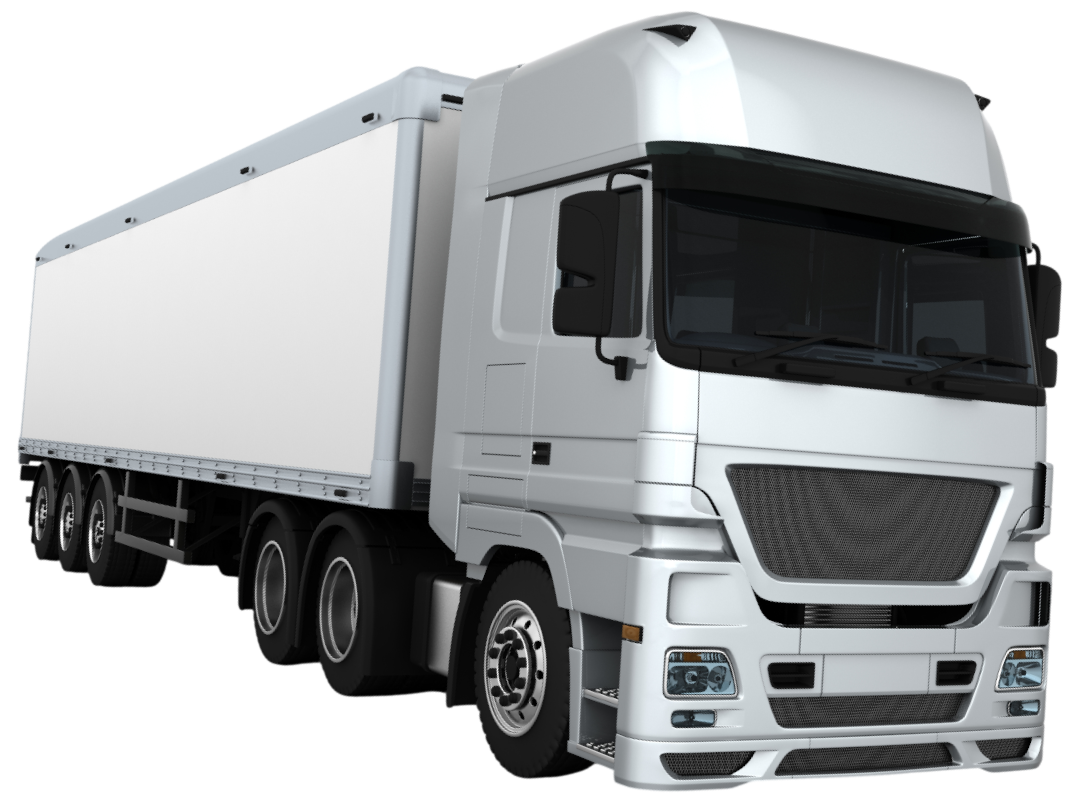
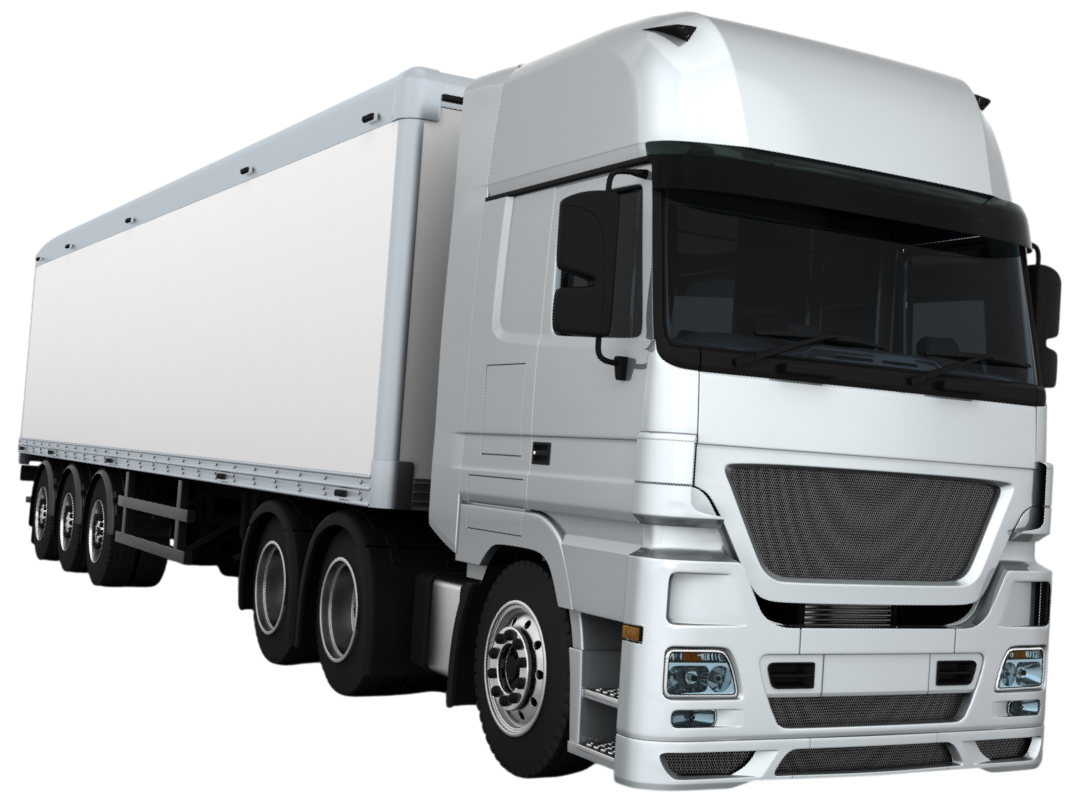
The amount of electric trucks in Europe is growing rapidly, with nearly 24,000 new electric trucks and buses registered in 2025 (a 60% increase).
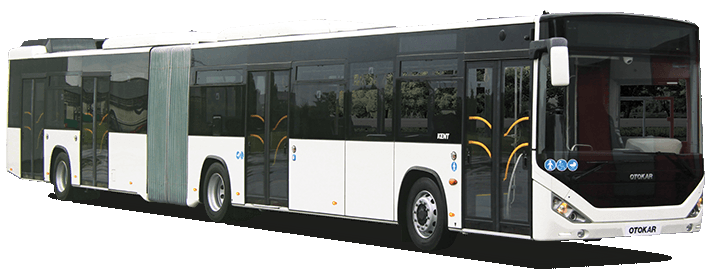
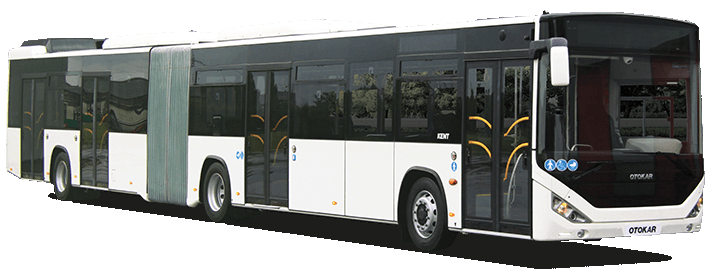
The amount of e-buses (including articulated buses) in Europe is growing rapidly and reached over 7,200 newly registered battery-electric city buses by early 2025
NOT a range extender!
but a true
on-board DC charging system


* DC 400 V / 800 V *
Charging while driving
which can generate more power than is consumed!
The battery packs always stay charged.
The country’s charging infrastructure plays a crucial role in your route planning—
but not anymore, thanks to the DC OnBoard charging system
for you and your business.
If necessary, detours can also be handled with ease.
Optimal range (daily use): 20% to 80%. [for optimal service life and battery protection]
No more charging stations for these user groups!
Retrofitting is almost always possible ---
--- but in the future, it’s better to integrate them right from the start.
That's why:
Only €180,000 in capital required;
equity participation to be agreed upon
Prototype in 3-6 months
a virtually unlimited market for retrofitting and an unlimited market for integrating the technology directly into the product pipeline.
The aim is to sell licenses to manufacturers and retrofitters
****************************
Cost example:
With an annual consumption of 130,000 kWh and an assumed rate of €0.20/kWh (low-cost commercial electricity/own storage), the annual charging costs amount to €26,000. With higher rates (e.g., €0.40/kWh at public stations), these costs double accordingly.
The DC OnBoard charging system is more cost-effective than the annual charging costs.
****************************
New registrations in 2026: In March 2026, it was reported that 24,000 new electric trucks and buses had been registered in Europe.
xE-Trailer-solution, interesting, but at € 140-220'000€ x
By early 2026, there were over 78,000 all-electric delivery vans and approximately 21,000 small electric trucks (3.5 to 12 tons) on the roads in Germany alone.
The amount of electric trucks in Europe is growing rapidly, with nearly 24,000 new electric trucks and buses registered in 2025 (a 60% increase).
The amount of e-buses (including articulated buses) in Europe is growing rapidly and reached over 7,200 newly registered battery-electric city buses by early 2025
NOT a range extender!
but a true
on-board DC charging system
Charging while driving
which can generate more power than is consumed!
The battery packs always stay charged.
The country’s charging infrastructure plays a crucial role in your route planning—
but not anymore, thanks to the DC OnBoard charging system
for you and your business.
If necessary, detours can also be handled with ease.
Optimal range (daily use): 20% to 80%. [for optimal service life and battery protection]
No more charging stations for these user groups!
Retrofitting is almost always possible ---
--- but in the future, it’s better to integrate them right from the start.
No matter how fast you can download:
it always costs your money!
it always costs your money!
Electricity prices for business customers charging electric vehicles in 2026 vary significantly between public DC fast charging (350 kW) and on-site charging.
Here is a forecast based on current trends and data (as of March 2026):
1. Public DC fast charging (350 kW HPC)
Forecast price: €0.65 – €0.85 per kWh.
Details: Due to the high investment costs for HPC chargers (High Power Chargers) and the use of public infrastructure, this is the more expensive option. With some providers, prices may vary slightly due to contracts or special charging cards, but they generally fall within the higher range.
Price trends: Public charging remains expensive, as operators must make significant investments.
2. Company/Depot Charging Station (Company Premises)
Estimated price: €0.20 – €0.40 per kWh (depending on the purchase price).
Details: Companies can take advantage of significantly more favorable terms by purchasing electricity on the power exchange or through power purchase agreements (PPAs).
Tax regulation 2026: To simplify billing for employees, the tax-free reimbursement for charged electricity will be set at approximately €0.34 per kWh starting in 2026. This is a good benchmark for the cost per kWh in both private and business settings.
Summary Comparison 2026
Charging Location/Type Charging Power Estimated Price (per kWh)
Public (DC) 50 – 350 kW €0.65 – €0.85
Workplace/Depot 11 – 22 kW AC €0.15 – €0.40
Depot/internal HPC >50 kW DC Cheaper than public
Note: In 2026, the electricity tax for manufacturing companies will remain at 2.05 ct/kWh, but up to 97% of this can be reimbursed.
Blocking fee: An additional fee is often charged after 45–60 minutes.
Here is a forecast based on current trends and data (as of March 2026):
1. Public DC fast charging (350 kW HPC)
Forecast price: €0.65 – €0.85 per kWh.
Details: Due to the high investment costs for HPC chargers (High Power Chargers) and the use of public infrastructure, this is the more expensive option. With some providers, prices may vary slightly due to contracts or special charging cards, but they generally fall within the higher range.
Price trends: Public charging remains expensive, as operators must make significant investments.
2. Company/Depot Charging Station (Company Premises)
Estimated price: €0.20 – €0.40 per kWh (depending on the purchase price).
Details: Companies can take advantage of significantly more favorable terms by purchasing electricity on the power exchange or through power purchase agreements (PPAs).
Tax regulation 2026: To simplify billing for employees, the tax-free reimbursement for charged electricity will be set at approximately €0.34 per kWh starting in 2026. This is a good benchmark for the cost per kWh in both private and business settings.
Summary Comparison 2026
Charging Location/Type Charging Power Estimated Price (per kWh)
Public (DC) 50 – 350 kW €0.65 – €0.85
Workplace/Depot 11 – 22 kW AC €0.15 – €0.40
Depot/internal HPC >50 kW DC Cheaper than public
Note: In 2026, the electricity tax for manufacturing companies will remain at 2.05 ct/kWh, but up to 97% of this can be reimbursed.
Blocking fee: An additional fee is often charged after 45–60 minutes.
Requirements for DC fast-charging stations:
Power connection: A high-capacity connection is required; medium-voltage power is often necessary because DC charging stations require high currents.
Civil engineering & electrical installation: Foundations, cabling, and safety devices must be installed.
Certification: Professional installation and certification by the manufacturer are mandatory to prevent damage.
The total cost for DC fast-charging stations (including hardware, civil engineering, and electrical installation) typically ranges from €20,000 to over €150,000 per station, plus operating costs: maintenance and backend fees (starting at approx. €100/month).
Investments in DC fast-charging stations for public transportation and companies with vehicle fleets (freight forwarders, etc.) can then be wisely directed toward additional electric vehicles. Existing charging stations could be sold.
Power connection: A high-capacity connection is required; medium-voltage power is often necessary because DC charging stations require high currents.
Civil engineering & electrical installation: Foundations, cabling, and safety devices must be installed.
Certification: Professional installation and certification by the manufacturer are mandatory to prevent damage.
The total cost for DC fast-charging stations (including hardware, civil engineering, and electrical installation) typically ranges from €20,000 to over €150,000 per station, plus operating costs: maintenance and backend fees (starting at approx. €100/month).
Investments in DC fast-charging stations for public transportation and companies with vehicle fleets (freight forwarders, etc.) can then be wisely directed toward additional electric vehicles. Existing charging stations could be sold.