- Thank you for your interest and for taking the time!
. . . Driving and recharging at the same time . . .
- Only 50–60% of the battery capacity in kWh required + still endless electric driving!
400–800 kW charging at 400/800 VDC possible while driving,
so even more than the consumption!
This also makes more affordable electric vehicles possible!
- Unlimited ranges are then the norm
This will also reduce the cost of new e-trucks in the future.!
• The conversion/retrofit costs about 60% less …
than the annual charging costs! [ je nach eFahrzeug ]
- *** No charging costs and no need for your own charging infrastructure — ever ***
The immense investment costs saved as a result
for the necessary charging stations can then be immediately
channeled into eVans, eTrucks, eBuses, …!
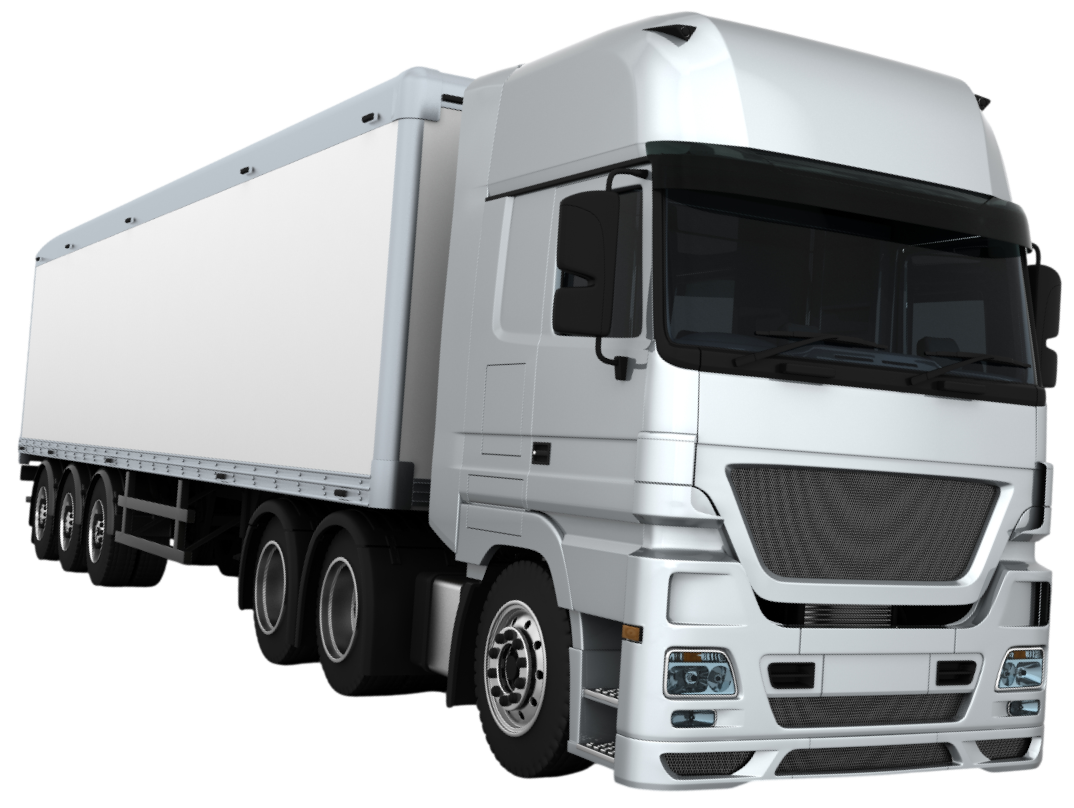
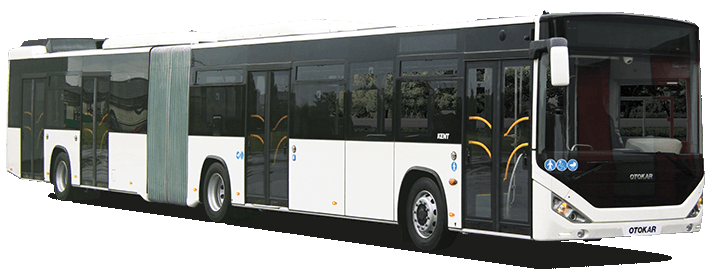
Invest in eVans, eTrucks, eBuses, …—whether converted from diesel to electric or brand-new
And the green electricity benefits everyone,
whether individuals, businesses, or municipalities.
• .. even if this investment is relatively small
– the economic success is immediately apparent!
• And it will give businesses more flexibility without additional ongoing costs.
• the prototype e-VAN for proof of concept [POC] costs € 110‘000.-
• • In return, we offer a 30% stake
• The plan is to sell licenses by brand, not by company.
◦ .. or ..
global marketing and patent application with a declaration of assignment to a customer.
• ◦ in exchange for a reasonable one-time payment.
• This means the device and the process can then be integrated directly into the production line.
• [Total global fleet to date: approximately 3,000,000 electric vehicles, starting with van-sized models]
• A patent application has been filed.
- The UG (limited liability company) in the process of being formed is ready to go
• We can get started right away.
• There is a company in Germany that can handle the retrofitting or modification of the prototype.
• The retrofitting or modification will take about 3–4 months, as some components currently have a lead time of about 8 weeks; everything else is being prepared in the meantime.
Everything can then be directly applied to eVans, eTrucks, eBuses, …
• ENDLESS POTENTIAL !!!
• In Europe, there are currently an estimated 450,000 to 500,000 electric vans and light commercial vehicles (LCVs) on the roads.
• The total global fleet of all-electric and plug-in hybrid vans (e-vans or electric light commercial vehicles, eLCVs) is currently estimated at over 2.2 million vehicles.
• The total fleet of all registered electric trucks in Europe currently (as of mid-2026) is estimated to be between 30,000 and 35,000 vehicles.
- so why invest in DC charging stations and spend money on DC charging power?
The one-time retrofit cost per vehicle is less than the annual charging costs!
(including annual operating costs)
Electricity Consumption (kWh) by Weight Class (Loaded)
• Up to 7.5 metric tons (distribution transport): approx. 60 to 90 kWh / 100 km
• 12- to 16-metric-ton class: approx. 90 to 130 kWh / 100 km
• 40-metric-ton heavy-duty / semi-trailer: approx. 120 to 150 kWh / 100 km
• Special-purpose vehicles (garbage collection/car transporters): 150–220 kWh / 100 km.
Here, constant stop-and-go driving and hydraulic presses drive up energy consumption.
• Real-Life Extreme Examples from Practice
If additional equipment dominates the vehicle, the figures will exceed the range you mentioned:
• Sewer-cleaning vehicles: over 360 kWh per 100 km, since the pumps run continuously off the traction battery.
• Snow plows for winter road maintenance: approx. 380 kWh/100 km due to cold temperatures, snow resistance, and the plow blade.
• Heavy-haul transport: In cases of extreme overloading (e.g., transporting construction machinery), peak values of up to 170 kWh/100 km have been measured in real-world operation.
Example:
Setting up a charging station with five 400-kW DC fast chargers for the freight forwarding or public transit sectors
Cost Breakdown (Capital Expenditures / CAPEX)
To set up a charging station with five 400-kW DC fast chargers (total capacity: 2,000 kW / 2 MW) for the freight forwarding or public transit sectors, you can expect total costs of between €650,000 and €1,100,000 (net) without subsidies.
A key technical and financial factor in your planning is the requirement for 400V. A power output of 2 MW cannot be drawn directly from the 400V low-voltage grid, either physically or economically. You will absolutely need a medium-voltage connection (10 kV or 20 kV) and your own transformer station to step up the voltage to the level required for the charging stations.
Annual operating costs (OPEX)
Annual operating costs depend heavily on your charging profile and usage:
• Maintenance & Service: Approx. €15,000 – €25,000 per year (guideline: 4–5% of hardware costs for service-level agreements with short response times, as outages in public transit or freight operations can paralyze the fleet).
• Software & Backend: Approx. €1,500 – €3,000 per year for charging management software (EMS), which is essential for dynamic load management to avoid costly peak loads when drawing power from the grid.
• Grid fees (capacity charge): Since you are billed as a large-scale consumer on the medium-voltage grid, you pay a capacity charge for the highest quarter-hourly peak of the year in addition to the energy rate (per kWh). Without load management, this item alone can amount to €40,000 to €80,000 annually.
Please coordinate internally, and then let's talk —
we can get started right away!