Ø Consumption
110-150 kWh/100 km
Ø DC-Recharge
up to 160 kWh/100 km
110-150 kWh/100 km
Ø DC-Recharge
up to 160 kWh/100 km
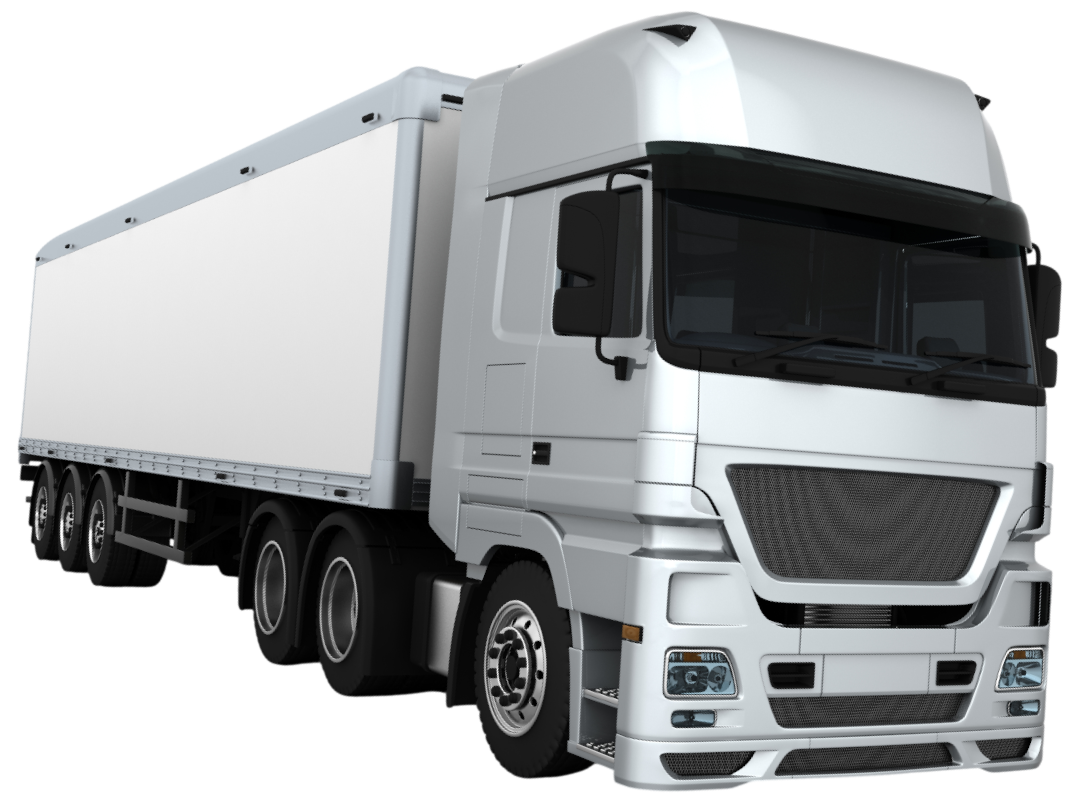
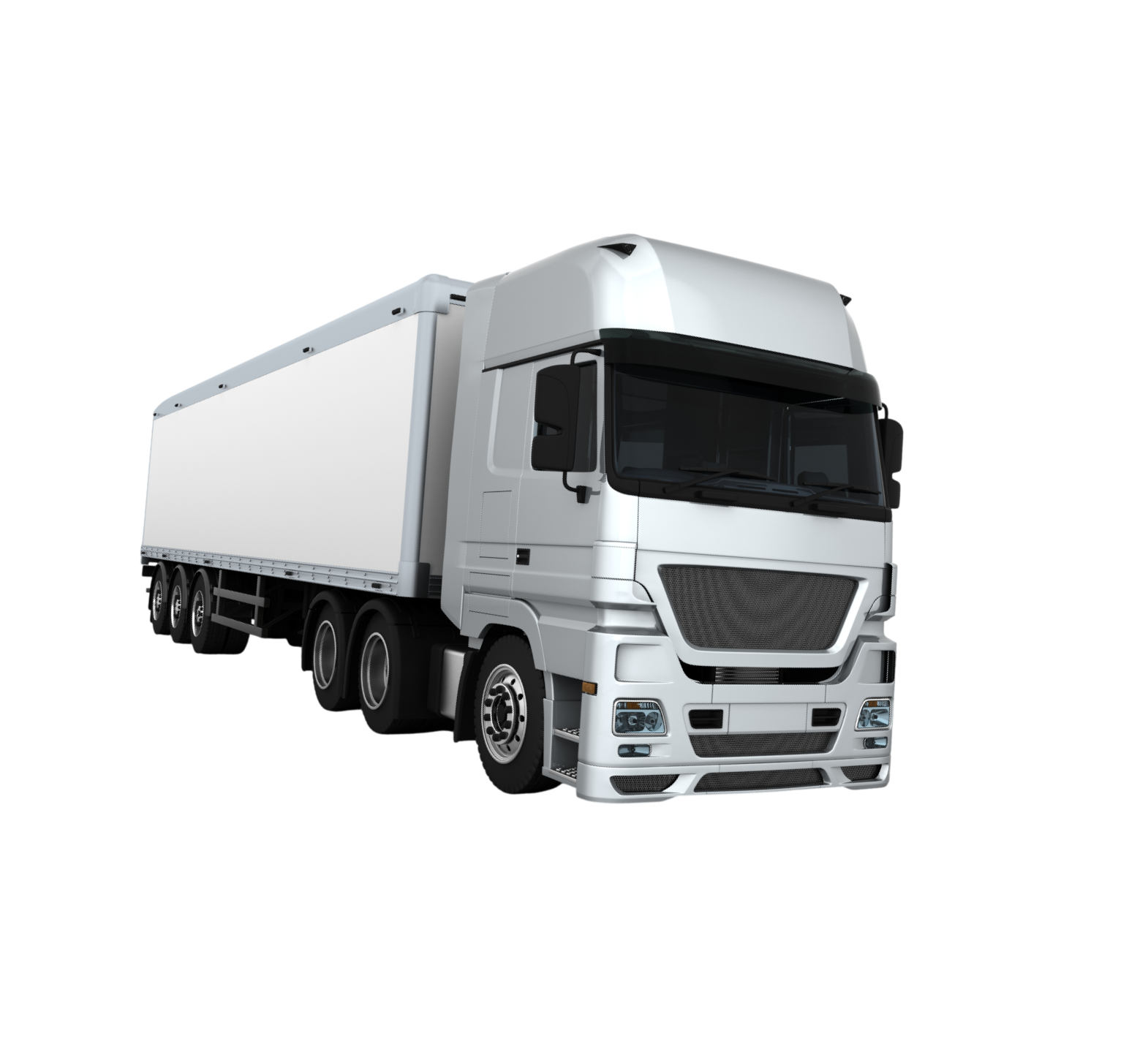
An electric tractor-trailer with a battery capacity of up to 1,000 kWh and a payload of approximately 40 tons consumes an average of 130 kWh per 100 km
A 40-ton electric truck consumes an average of about 110 to 150 kWh per 100 kilometers in real-world long-haul operations. Modern models such as the Mercedes-Benz eActros 600 can even achieve consumption rates of less than 90 kWh/100 km under optimal conditions. Consumption depends heavily on topography, weather, speed, and auxiliary power consumption, but is significantly lower than the energy equivalent of a diesel engine.
Energy consumption: On average, 130 kWh per 100 km is a realistic figure for heavy 40-ton trucks in long-haul transport.
Range: With a typical battery capacity (approx. 600 kWh), these trucks achieve a practical range of around 500 kilometers without needing to recharge.
Comparison to diesel: An electric truck is significantly more efficient. While an electric truck requires approx. 88–110 kWh, a comparable diesel truck consumes around 27 to 35 liters per 100 km.
Factors affecting consumption: Topography (mountains) and weather have a significant impact on consumption.
Payload: Although the batteries are heavy (approx. 3.5–4 t additional weight), regulators often allow for a 2-ton increase in gross vehicle weight (42 t), thereby reducing the payload difference.
The trend is toward even more efficient powertrains that enable high mileage even in demanding long-haul transport.
- and permanently reduce your running costs!
A 40-ton electric truck consumes an average of about 110 to 150 kWh per 100 kilometers in real-world long-haul operations. Modern models such as the Mercedes-Benz eActros 600 can even achieve consumption rates of less than 90 kWh/100 km under optimal conditions. Consumption depends heavily on topography, weather, speed, and auxiliary power consumption, but is significantly lower than the energy equivalent of a diesel engine.
Energy consumption: On average, 130 kWh per 100 km is a realistic figure for heavy 40-ton trucks in long-haul transport.
Range: With a typical battery capacity (approx. 600 kWh), these trucks achieve a practical range of around 500 kilometers without needing to recharge.
Comparison to diesel: An electric truck is significantly more efficient. While an electric truck requires approx. 88–110 kWh, a comparable diesel truck consumes around 27 to 35 liters per 100 km.
Factors affecting consumption: Topography (mountains) and weather have a significant impact on consumption.
Payload: Although the batteries are heavy (approx. 3.5–4 t additional weight), regulators often allow for a 2-ton increase in gross vehicle weight (42 t), thereby reducing the payload difference.
The trend is toward even more efficient powertrains that enable high mileage even in demanding long-haul transport.
Drive electric and charge – all at once
Charge once and drive independently forever—no matter how far or how long.Distance and runtime no longer matter.No separate cooling system required.Charge the battery packs while driving and take the strain off the power grid!
- and permanently reduce your running costs!